How relative humidity and wind alter formula behaviour
Active travellers frequently cross microclimates within a single day: beginning in a pressurised aircraft cabin (relative humidity 10–20%), descending into a humid valley trail, and ascending to a windy ridge. The outermost layer of the epidermis, the stratum corneum, relies on natural moisturising factors (NMF) and intercellular lipids to stay flexible. When ambient humidity drops or wind strips away the micro-boundary layer of air next to the skin, transepidermal water loss accelerates.
| Ingredient Class | Common INCI Label Names | Mechanism on Skin Surface | Climate Suitability & Limitations |
|---|---|---|---|
| Humectants | Glycerin, Urea, Sodium Hyaluronate, Panthenol, Propylene Glycol, Sorbitol | Hygroscopic molecules attract and hold water molecules in the stratum corneum. | Highly effective in humid climates or when sealed under an occlusive layer; alone in bone-dry wind, lightweight humectant gels offer minimal barrier shielding. |
| Emollients | Squalane, Caprylic/Capric Triglyceride, Jojoba Esters, Ceramide NP, Cholesterol, Fatty Alcohols | Fill micro-fissures between desquamating skin cells to restore surface smoothness and flexibility. | All-weather versatility; absorbs without heavy tackiness under sunscreen or clothing collars. |
| Occlusives | Petrolatum, Dimethicone, Lanolin, Cera Alba (Beeswax), Butyrospermum Parkii (Shea) Butter | Form an inert hydrophobic film over the skin that physically retards water evaporation. | Essential for cold wind, dry altitude, and chafed zones; can feel overly warm or trap sweat during high-exertion tropical climbs. |
Reading the first five ingredients on a moisturiser label
Cosmetic ingredient lists follow descending order of concentration down to the 1% threshold. By inspecting the first five listed substances, a traveller can predict both how the product will feel on the skin and how the container will behave in extreme temperatures.
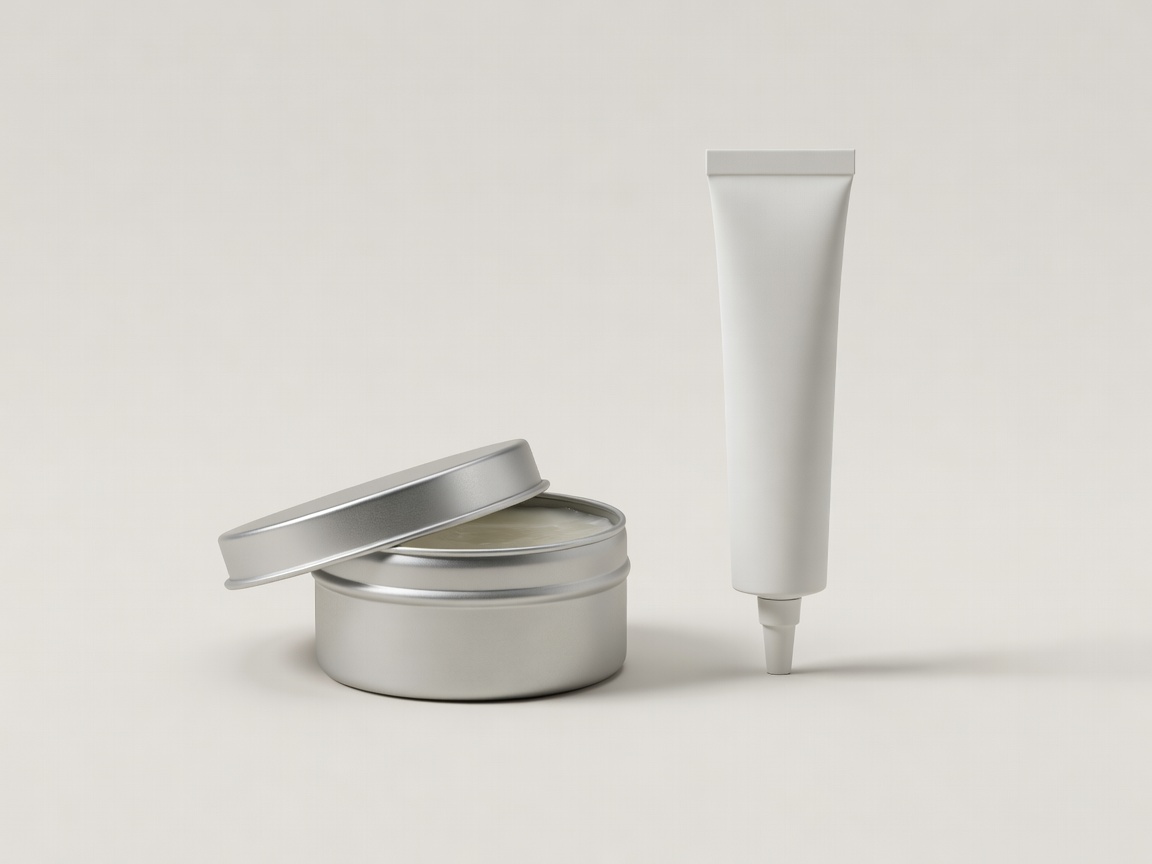
Layering compatibility with daytime sunscreen
Applying a heavy occlusive ointment immediately before a daytime sunscreen can interfere with the sunscreen's film-forming polymers, causing the UV filters to slide unevenly or pill into small flakes. During outdoor daylight hours, travellers should either allow a lightweight humectant-emollient lotion to absorb for 10 minutes before applying sunscreen, or rely on the moisturising base built directly into a cream-based broad-spectrum sunscreen, saving heavy occlusive balms for night use or targeted lip protection.